Exploring Mental Health through Creativity & Wellbeing
Combining creativity, health, and our physiological processes — the natural functions of the body that respond to emotion and experience — can offer a way to foster well-being and self-expression.
Much of creativity, and the arts more broadly, holds a therapeutic quality, allowing individuals to explore their emotions and express them in a constructive way.
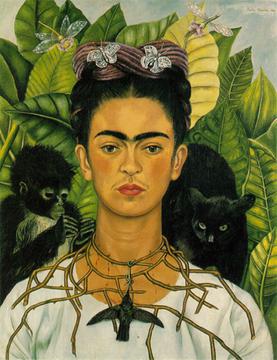
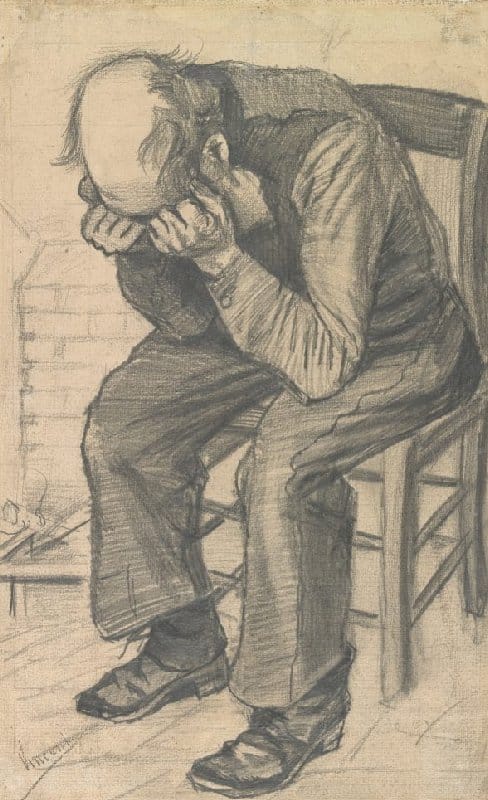
When we look at Frida Kahlo’s self-portraits, or Käthe Kollwitz’s depictions of grief, and the works of many lesser-known artists — some of whom were admitted into asylums, or what we now refer to as being ‘sectioned’ — creativity is often used as a way of engaging with personal experience, particularly during difficult periods.
I often imagine, when contemplating creativity, that it is present where people are trying to make sense of what they feel. Within this formation of thought and craft, I recognise that art does not erase pain; it encourages the reshaping of it, or at times, simply reveals it more clearly.
In my experience, it allows me, and the other, to recognise themselves not as broken, but as becoming — a becoming shaped through what is lived, felt, and encountered, before it settles into language.
In this way, in my opinion and in how I am re-forming myself, art as medicine is less a cure than a conversation — between body, mind, and the world as it is lived and encountered with the other, where that conversation may be partial, imagined, and sometimes one-sided.
Felt → expressed → encountered → re-formed.
So I would argue that healing is not guaranteed by the movement. It can, however, emerge through it.
When I speak of art as medicine, I am not speaking of a cure, but of a movement — where something within us may begin to shift and, in time, be re-formed.
You may click the link below for more on this process.
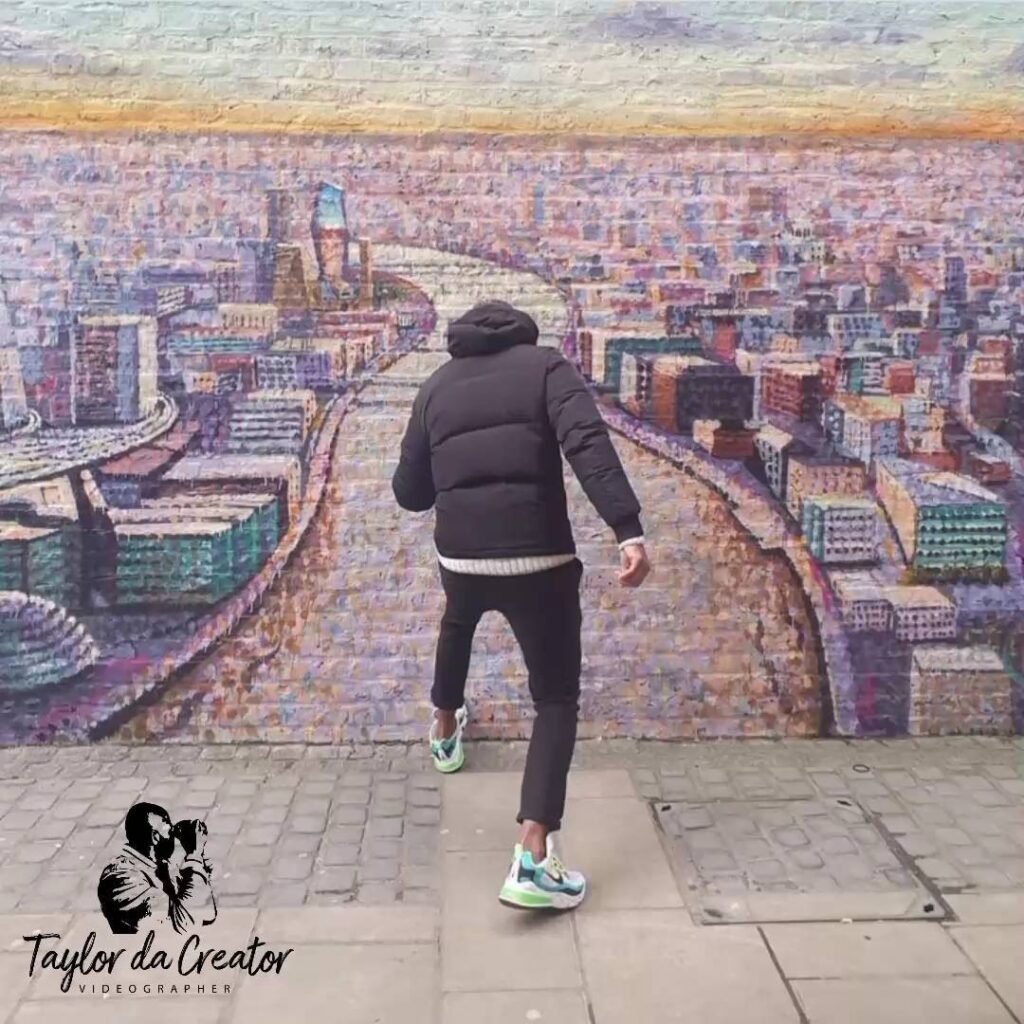
By recognising and acknowledging our mental health, and bringing creativity into how we express what has, or has not, manifested in our lives and relationships, we may begin to give form to personal experience. In doing so, inner thoughts and emotions are not stifled, but expressed, encountered, and, at times, understood differently.
Art becomes a mirror of the mind, not to fix what lies beneath the surface, but to explore, confront, soften, amplify, and, at times, share it — to hold it in a way that allows what is felt to exist outside of us, where it can be seen, returned to, and, in some way, shaped.
Whether through painting, writing, music, video, or photography, the creative process allows us to communicate in a language uniquely our own — a language that may open awareness or deepen understanding, but just as often remains partial, imagined, and unfinished, in the same way that we are.
Below is an example of how creativity and art can function as therapy. Video shot and edited by cblakes2020 and Mr Taylor.
Group painting session with live nude models — celebrating life and form. Video shot and edited by cblakes2020 and Mr Taylor.
Mr Taylor has taken the opportunity to put his feelings onto film, using a range of creative approaches to produce this video. In doing so, he provides a reflection of his well-being laid bare, a step towards moving forward.
This piece connects closely with many articles written about expressing trauma through art. And yes — we can agree, he is also very talented.
This video shows a Sip and Paint session with live nude models. The group celebrates life and form in a relaxed, social setting where all skill levels are welcome.
Events like this support well-being by reducing stress, encouraging mindfulness, and turning art into shared expression and connection and laughter.
From Edvard Munch’s The Scream, to Sylvia Plath’s confessional poetry, and modern art therapy practices, creative work can ease stress, anxiety, and depression, strengthening mental well-being.
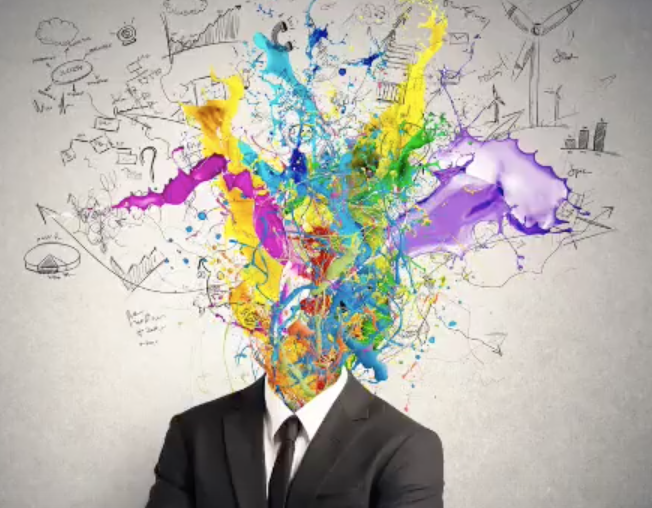
Creating and sharing art can help reduce the stigma around mental health, encouraging people to seek support when they need it.
On our website, we advocate for bringing mental health into the creative journey. We offer resources, inspiration, and support for artists who want to make meaningful work shaped by their own experiences.
Whether you’re an established artist or just starting out, research shows that engaging in art can support wellbeing—helping to regulate emotion, reduce stress, and offer a space for reflection. From lowering cortisol levels to aiding in the processing of trauma, creative expression has been widely used in both clinical and everyday settings. While art does not “heal” in a fixed or guaranteed sense, it can create the conditions for transformation, understanding, and, at times, recovery.
From Frida Kahlo’s exploration of pain, to Jean-Michel Basquiat’s raw expression of struggle, and the practices of modern art therapy, creativity opens a path toward awareness and recovery.
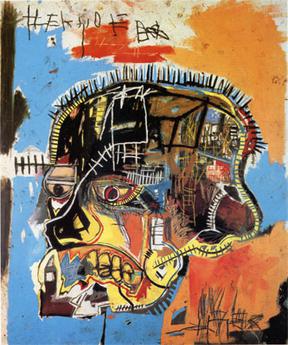
Join us as we explore the connection between art and mental health, and discover the healing potential of self-expression.
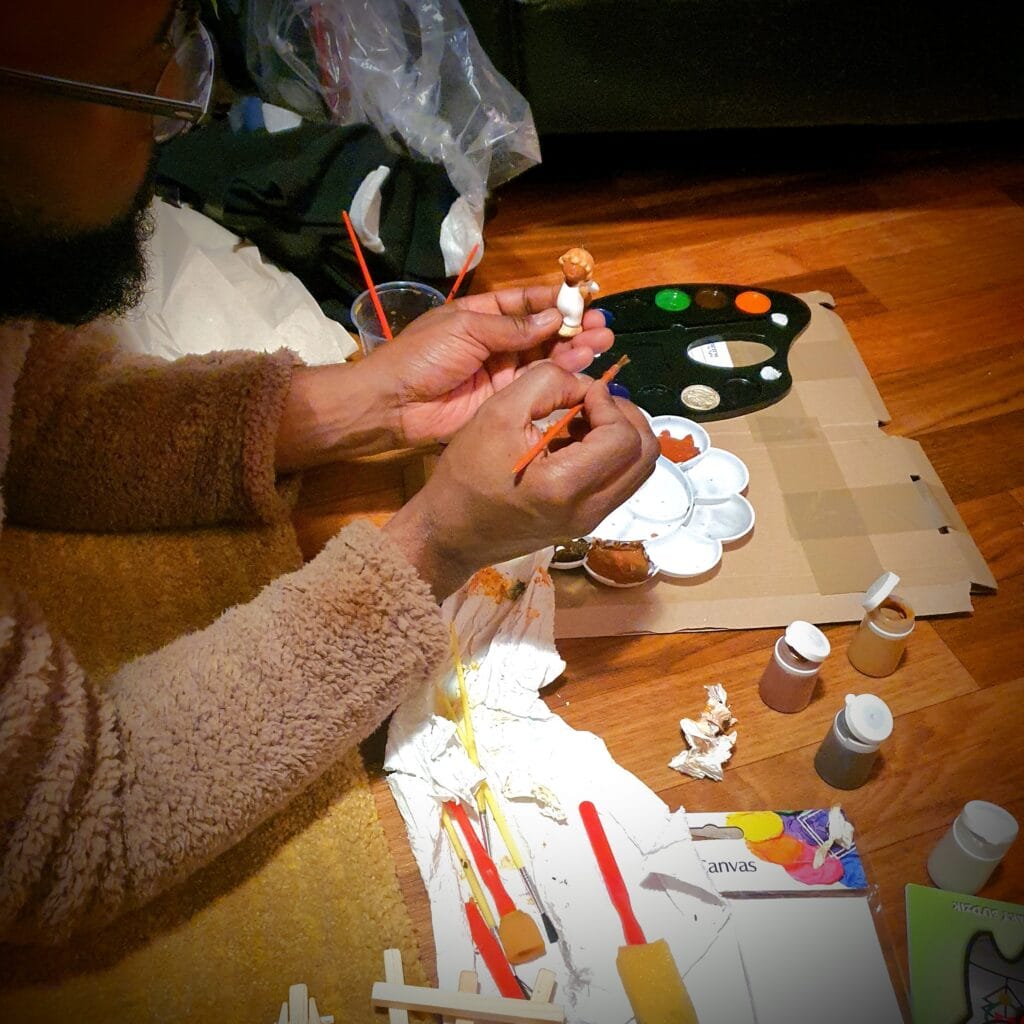
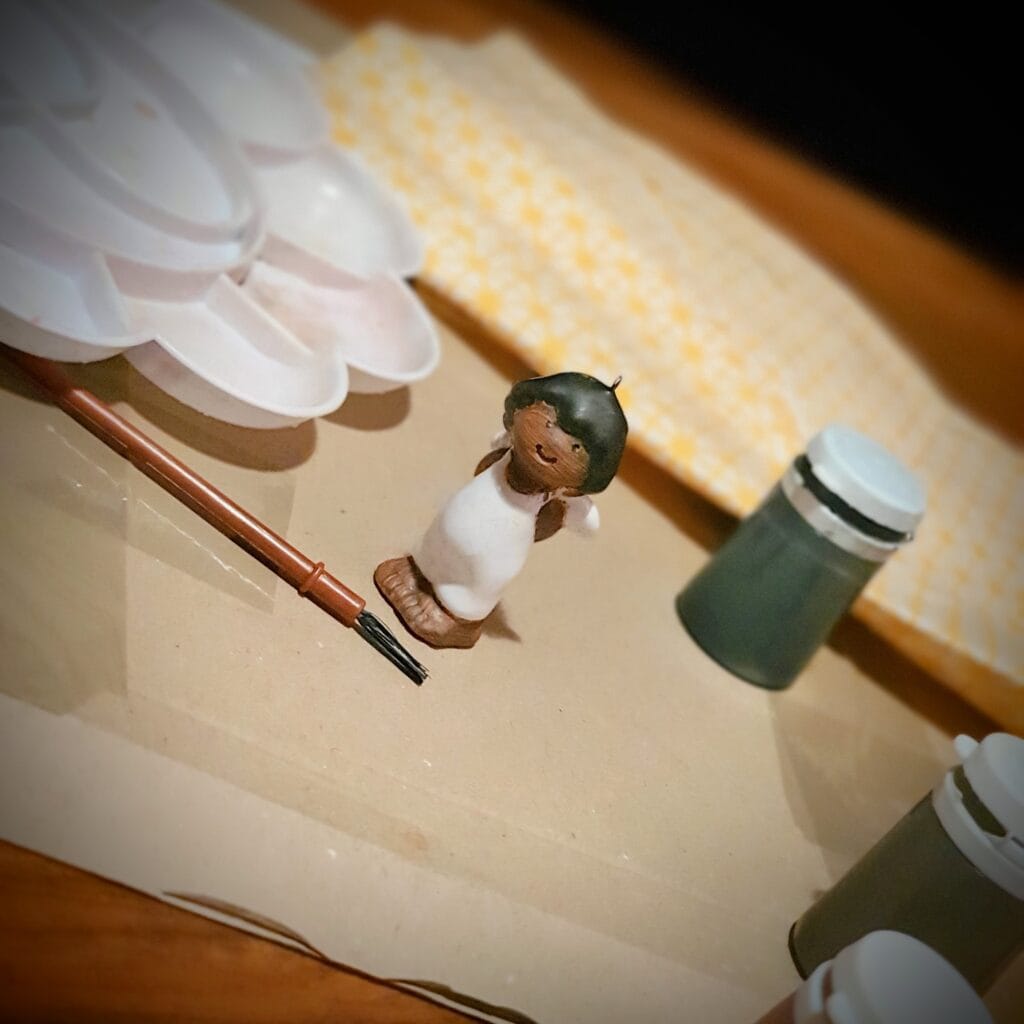
The pictures (below), taken just before Christmas 2022, capture a moment of healing. Creating and painting this cherub became more than decoration — it touched past wounds, offering a sense of belonging and inclusiveness.
Click the Art as a Healing Process Link Below for more information.
Why Representation and self-expression matters
My personal experience: In many mainstream European or Asian stores, angels or cherubs rarely reflect darker skin tones. Painting this figure — giving it a darker pigment as if it produced Melanin — was deeply therapeutic. Placing it on the evergreen conifer (Yule tree / Xmass tree), during this period of christian festivity was not only symbolic but restorative: a gesture of visibility, self-affirmation, and joy.
For me, this act carried something even deeper. I live in Europe, educated in its traditions, but I am a person of colour, melanated with darker pigments and Caribbean roots. I am Surrounded by European rituals and Folklore, all folded into a Christian Christmas — And yet, Christianity thrived in Ethiopia and parts of the African continent long before it entered the pagan realms of Central Europe. So creating a Melanic cherub was a way of saying I am here too. Art becomes medicine. By putting myself forward, by seeing myserlf reflected, we reclaim space, restore dignity, and feel whole, it is part of the Human condition.
Painting the cherub for the Christmas tree was my way of healing, of putting myself into tradition and ritual. It was about representation — seeing myself there, and letting that feel good.
As I sit and type, I reflect upon my work, those same feelings I recallec above show up in the work of artists like Kerry James Marshall. In his talk Mastry, (Internationally acclaimed artist Kerry James Marshall is one of the most important painters working right now) he speaks about how representation isn’t just about the self, but bigger ideas — and how showing Black figures, uncompromised, is powerful and necessary. That really hits the same note I was reaching for with my cherub.
Here’s the link to Kerry James Marshall’s talk: watch here. You can also check out Kerry James Marshall’s critically aclaimed and thought provoking website here
(The Human Condition encompasses the essential, shared experiences of human existence—including birth, growth, emotion, aspiration, conflict, and mortality. It represents the fundamental, often paradoxical, state of being human, bridging biological reality with psychological, social, and philosophical awareness. This broad concept covers the entirety of the human experience, from profound joy to despair, analyzed through art, literature, and science.)
As I continue to explore this idea of Mental Wellbeing and the love of Creative Arts, I find myself returning to the ways creativity has moved through the people I have met — shaping not only what they created, but how they continued. Between what was felt, what is expressed, and what remains.
Forms of art I want to include in this evolving, thought-provoking recall—a living repository of emotional reconstruction, moments of demise, and quiet renaissance—guided by those who have encouraged me since 2020:
Visual Arts – Painting and drawing; where the unseen begins to take form.
Performing Arts – Theatre; translating feeling into form, where the body speaks what words resist.
Photography / Videography – Observing both the process and the progress of healing; a record not just of change, but of becoming.
Creative Writing & Poetry – Finding rhythm, reflection, and release through words.
Video Production
Our team of experienced videographers and editors are here to make top-notch videos for your business or personal use.
We will collaborate with you to plan and craft engaging content, covering everything from corporate videos to social media posts and product demos.
With the right equipment and editing tools, we make sure your videos look fantastic, sound great, and have excellent lighting.
Whether you want to boost your business or highlight your personal brand, we can assist you in creating standout videos.
About us
Welcome to our website, where we bring together a passion for creativity, mental health, and self-expression through the arts.
Here you’ll find videos, resources, and reflections that explore the healing and transformative power of creativity — from the infamous, to the not-so-famous, to the unknown artists who use art as a way of living, coping, and healing.